

Right time
The delivery window is the job
Timing matters most when the shipment is holding up a clinic, a lab or a ward.
Standards
Three conditions a medical shipment has to meet at once. Missing any one of them makes the other two irrelevant.
Most logistics companies describe their standards in terms of what they promise. That is the wrong way round. What matters is what is actually controlled, and who checked it.
Below is how a consignment is controlled from booking through to delivery. Where something is not in place, it is not on this page. If your qualification process needs evidence we have not listed, ask. A straight answer now is worth more to both of us than a claim that has to be walked back during an audit.
Right time
Timing matters most when the shipment is holding up a clinic, a lab or a ward.
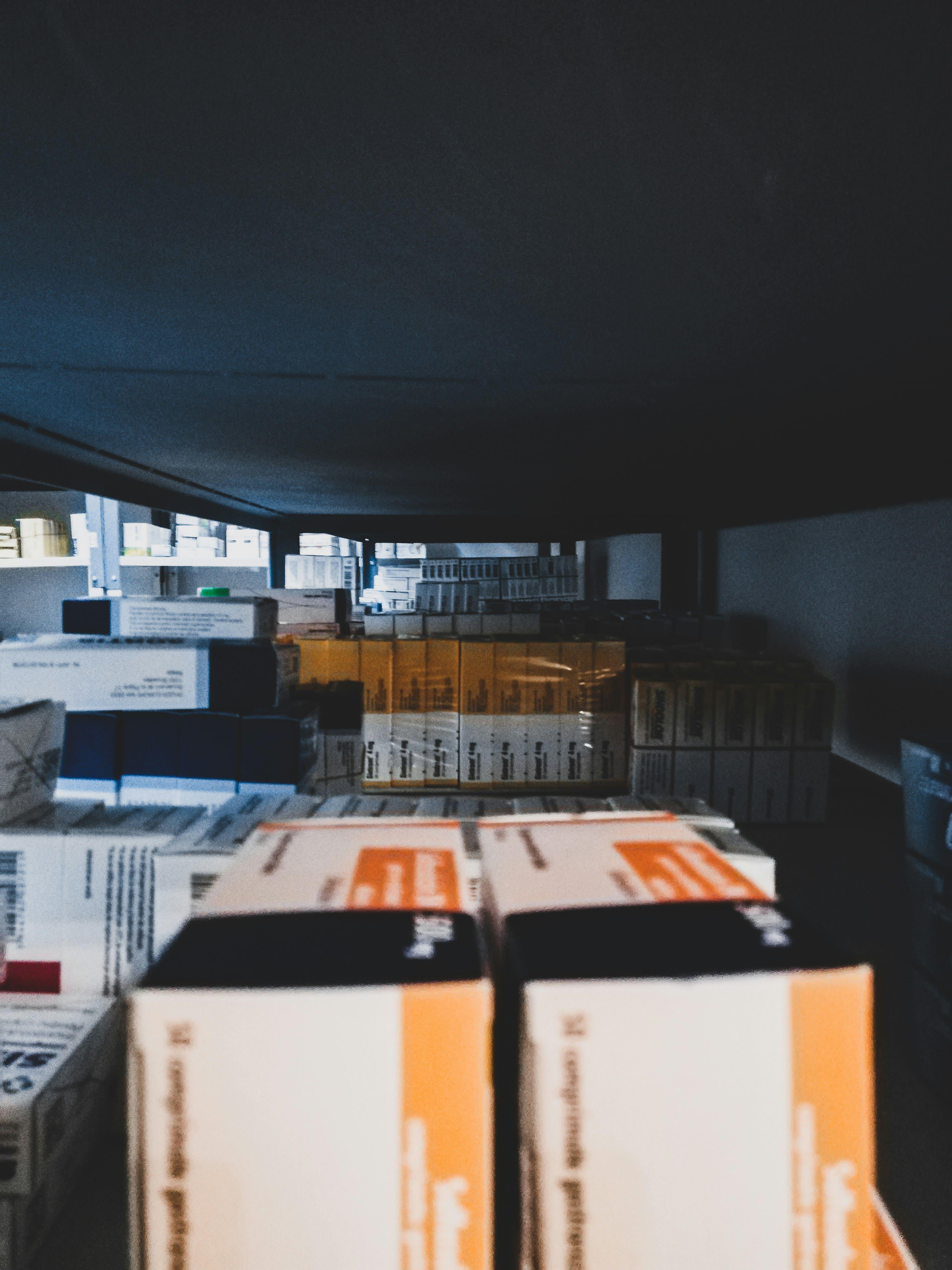
Right temperature
Packing and handling are chosen for the product and the journey it is making.

Right place
Delivered to the address and the department the collection was booked to.
Handling
Every consignment is booked against a temperature range. It is decided at the quote, written into the booking, and the packing follows from it, rather than being worked out by whoever is standing at the door when the box arrives.
A two-hour run across the Klang Valley and an overnight move to East Malaysia are not the same problem, and they do not get the same box. Packing is selected for what is inside it and how long it will be in transit.
IATA DG trained staff for regulated consignments, and people who work in healthcare logistics daily for everything else. Medical work is not handled as overflow from a general parcel round.
Where you need documentation for a consignment, meaning what was collected, when, and in what condition it was handed over, ask at the time of booking and we will confirm what we can provide for that job.
Qualification
Qualification processes differ, and so does what each one asks a logistics provider to evidence. Rather than publish a list and hope it matches, we would rather you tell us what yours requires.
Staff handling regulated and sensitive consignments are IATA DG trained, and handling procedures are documented. For anything beyond that, send us the questionnaire or the checklist you work from and we will go through it line by line, saying plainly what we can evidence and what we cannot.
That is a slower answer than a row of logos. It is also the one that holds up when somebody asks for the document behind it.
Send us your qualification requirementsHow a job runs
01
We agree the product, the temperature range and the delivery window before anything is collected.
02
Packing is matched to the product and the journey, not to whatever box is nearest.
03
Temperature-aware handling for the whole journey, by couriers who work in healthcare every day.
04
Handed over at the assigned destination, to the person expecting it.
Questions
Not covered here? Ask us directly and you will get a straight answer.
IATA DG trained personnel, covering the categories most clinical and laboratory work falls into. Tell us the classification your material ships under and we will confirm the handling before the job is accepted.
A cold room at 2–8 °C and controlled room temperature at 15–25 °C, both in our own storage with checks run by our own team. Frozen and cryogenic storage are not something we offer.
Tell us what your qualification process needs and we will tell you plainly what we can provide and what we cannot. We would rather be clear about that in advance than have it surface during an audit.
We say so before the job is accepted. If your protocol calls for a range we do not hold, you get a straight answer rather than an attempt that puts the product at risk.
Contact
Tell us what your process asks for. We will say what we can evidence and what we cannot, before you spend time on it.